
There is NO Substitute for Sleep
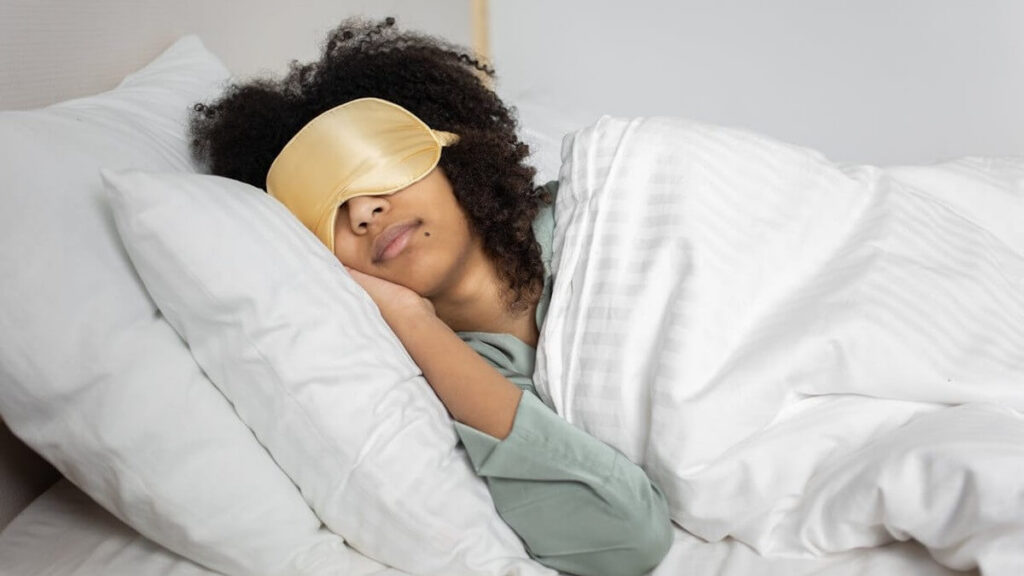
March is Sleep Awareness Month. Sleep is absolutely essential to good health and unfortunately most people are not getting enough sleep or not getting sufficient deep sleep. We have talked about many things you can do for biohacking your health, lots of good supplements you can take, exercises you can do, diets and food patterns you can follow, but none of these will work if you do not get good, adequate, quality sleep. There is no substitute for good sleep.
So, in the spirit of sleep awareness month, I want to explain to you why sleep is so important so hopefully it will provide you with a strong WHY so you can start changing up your routine to get better sleep and start to improve your health and your energy levels.
Why Sleep Is Essential for Health and Longevity
You have probably heard busy people say, “I will sleep when I am dead”. Unfortunately, this attitude may cause them to sleep much sooner than they may want by causing early death or rapid onset of disease. As science evolves and our understanding of human physiology improves, we have come to realize that good sleep is required for good health. Personally, I need at least 7.5 – 8.5 hours of sleep per night for me to be on top of my game. Years ago, this was very difficult for me due to busy schedule, having small kids and traveling. It remains difficult, but I have developed a routine that I stick to no matter where I am in the world. Many people are utilizing wearable technology to track their sleep, their steps, their heart rate and other important biometrics. I used to wear one myself but then realized, I do not need a watch to tell me whether I got good sleep or not. I could tell the minute I woke up. I stopped wearing any Bluetooth wearable device.
What Happens in Your Body During Deep Sleep
There is a lot that happens during sleep that we may take for granted or not even realize. It is during sleep that our body repairs and replaces dysfunctional cells. It allows our autonomic nervous system to be more parasympathetic (rest and digest) rather than sympathetic (fight or flight). Under normal healthy sleep patterns with nasal breathing, we fully oxygenate when we sleep, our body produces nitric oxide to mobilize stem cells for repair, allowing our breath rate and heart rate to decrease. Muscles completely relax, we build bone and muscle, our blood pressure lowers and allows our immune system to strengthen. We need to spend about 10-20% of our sleep in this deep sleep pattern for optimal health.
Unfortunately, we live in a time and society where nearly everything is interfering with our sleep. The 24 hour news cycle keeps us stressed and on edge. Artificial light in our homes, coming from our TV and devices interfere with our normal circadian rhythm. Many people have developed sleep apnea and/or are mouth breathers causing a lack of oxygen which disrupts every aspect of good sleep.
My Daily Routine for Better Sleep
I have worked diligently over the past 5 years to make sleep a top priority for me. I have learned to practice certain and specific techniques and habits that allow me to get a good night’s sleep almost every night. What works for me may not work for everyone, but I think it can provide a good start so you can implement routines that work for you.
Below I outline my daily routine that has helped me immensely with my sleep, my health and my overall performance.
- My sleep pattern, ironically, starts when I wake up. I always wake up before dawn, workout and then watch the sunrise every day. I do this no matter what time zone I am in or what part of the world I may be. The first sunlight helps reset our circadian rhythms. I highly recommend this and stare directly into the rising sun for 5-10 minutes and get direct exposure to your body for at least 20 minutes.
- I do not eat after 6pm. Allow at least 3-4 hours from your last meal until bedtime. You do not want to go to bed with food in your stomach or upper intestines. Your body is still working hard on digestion and can disrupt your sleep and cause gastric distress or heartburn.
- When the sun goes down, wear blue-blacker glasses, especially if you continue to work on your computer, look at your phone or watch TV after dark. This wavelength of light disrupts your circadian rhythm and disrupts sleep.
- I sleep with my air conditioner on 68 degrees. This allows the body to cool slightly and avoid getting hot at night. Heat is an increase in thermal energy and at night we want to allow the body to slightly cool at bedtime. Sleeping in cooler temperatures can improve your metabolism and improve insulin sensitivity by activating brown fat cells, which compared to yellow fat have more mitochondria and can burn calories to generate heat.
- I go to bed the same time every night and wake up at the same time. Develop your own routine and stick with that routine. Our body gets used to these routines. I am usually always in bed by 9:30pm and I wake almost always between 5:15 and 5:30 without an alarm clock.
- I sleep with an eye mask to completely block out any and all light. Any amount of light in your room, even from your clock, can disturb sleep.
- I make sure I take 3 really deep breaths when I lie down and many times, I will mouth tape to ensure I am breathing through my nose during sleep. The mouth is not an instrument for breathing. It is part of our digestive system, not part of our respiratory system. Nasal breathing activates nitric oxide production, leading to better oxygenation, mobilization of stem cells, lowering of blood pressure and better mitochondrial function and glucose uptake. By mouth breathing, you completely bypass all of this and cannot get good rest.
These simple practices have transformed my sleep and my overall health. I believe most people can implement these, unless you do shift work.
As you may have realized, most of the benefits of sleep are dependent upon adequate oxygenation and adequate nitric oxide production. Without oxygen, we cannot make nitric oxide. Without nitric oxide production, we cannot deliver oxygen to the cells in the body. This is a vicious cycle that we must intervene. I also recommend you take my nitric oxide releasing lozenge before bed to help oxygenate and improve the natural production of nitric oxide during sleep, especially if you have high blood pressure, have sleep apnea, are a mouth breather or diabetic.
During National Sleep Awareness Month, make these simple changes and develop a new healthy habit. Your body will thank you for it and you will notice you feel better, are in a better mood and will be more productive.
You can find my nitric oxide products at www.n1o1.com. Use coupon code NSB10 for a discount.
About Dr. Nathan S. Bryan
Dr. Nathan S. Bryan is a biochemist and physiologist that has more than 25 years of basic science and clinical research. His many seminal discoveries have resulted in dozens of issued U.S. and International patents. He is an international expert in nitric oxide and molecular medicine. Dr. Bryan is an innovator and successful entrepreneur whose product technology is based on his discoveries to restore nitric oxide production and signaling. This content is not intended to replace medical advice from a physician.
See and follow Dr. Bryan across his platforms to learn more about nitric oxide science, access educational resources, and stay updated on his latest research and insights.
Instagram: @drnathansbryan
X: @drnitric
LinkedIn: https://www.linkedin.com/in/drnathansbryan/
YouTube: https://www.youtube.com/@DrNathanSBryanNitricOxide
Personal Website: www.drnathansbryan.com
Nitric Oxide Products: www.N1o1.com
Companies & Research: www.bryantherapeutics.com